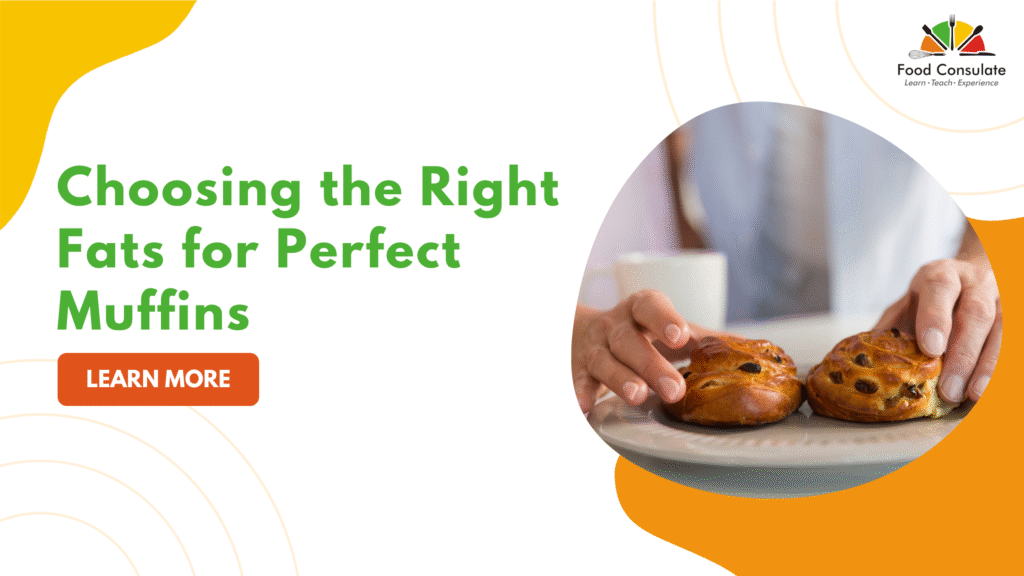
Muffins are one of the first baked products many aspiring bakers learn to make, yet creating the perfect muffin requires more than simply following a recipe. The ingredients you choose have a significant impact on the final result, and one of the most important among them is fat. From creating a tender crumb to enhancing flavour and improving moisture retention, the type of fat used can completely transform your muffins.
For baking students, understanding the role of fats is an essential step towards mastering professional baking techniques. Whether you’re preparing classic vanilla muffins, chocolate muffins, or fruit-filled varieties, knowing when to use butter, oil, or other alternatives helps you achieve consistent, bakery-quality results.
Why Fats Are Essential in Muffin Baking
Fat performs several important functions in baking. It coats flour proteins, limiting gluten development and creating a softer texture. It also contributes to flavour, richness, moisture, and shelf life.
Professional bakers don’t select fats randomly—they choose them based on the desired texture, flavour, and appearance of the final product. Learning this principle allows students to adapt recipes confidently and understand why different ingredients produce different outcomes.
Common Types of Fats Used in Muffins
Butter
Butter is a favourite ingredient in many bakery recipes because of its rich flavour and aroma. Muffins made with butter often have a tender crumb and a beautiful golden crust. Butter is ideal for recipes where flavour is the primary focus, such as vanilla, blueberry, or spiced muffins.
Best for:
- Rich flavour
- Bakery-style aroma
- Golden colour
- Soft texture
Vegetable Oil
Vegetable oil is widely used because it produces exceptionally moist muffins. Since oil remains liquid at room temperature, muffins stay softer for a longer period compared to those made entirely with butter.
Best for:
- Moist texture
- Longer freshness
- Everyday muffins
- Chocolate and fruit muffins
Coconut Oil
Coconut oil offers similar moisture benefits while adding a mild flavour. Depending on the recipe, it can create a unique taste profile that complements tropical fruits and chocolate.
Best for:
- Moist crumb
- Light coconut flavour
- Creative recipes
Yogurt and Dairy-Based Alternatives
Many professional recipes combine fats with yogurt to improve softness while maintaining structure. This approach produces muffins that are tender, moist, and balanced without feeling overly heavy.
Butter vs Oil: Which Is Better?
There isn’t a single correct answer.
If your goal is rich flavour and a traditional bakery experience, butter is an excellent choice. If you want maximum moisture and longer shelf life, vegetable oil often performs better.
Many professional bakers even combine butter and oil to enjoy the flavour of butter with the moisture-retaining properties of oil. Understanding this balance is one of the many skills developed during professional baking training.
How Fat Affects Muffin Quality
Different fats influence several characteristics:
- Moisture retention
- Crumb softness
- Overall flavour
- Shelf life
- Texture consistency
- Browning during baking
A slight ingredient change can noticeably alter the finished product. This is why professional bakers measure ingredients accurately and understand ingredient functionality instead of relying solely on recipes.
Common Mistakes Beginners Make
Many new bakers unknowingly affect the quality of their muffins by making simple mistakes.
Some of the most common include:
- Using the wrong type of fat for the recipe.
- Overmixing the batter after adding fat.
- Replacing butter with oil without adjusting the recipe.
- Measuring ingredients inaccurately.
- Ignoring ingredient temperatures.
Understanding baking science helps avoid these issues and leads to more consistent results.
Why Professional Baking Courses Matter
Professional baking is about much more than learning recipes. Students develop an understanding of ingredient functionality, baking science, precision, and consistency.
During hands-on practical sessions, aspiring bakers learn:
- How fats interact with flour and sugar.
- Why different recipes require different fats.
- How ingredient substitutions affect texture.
- Techniques for creating consistent bakery-quality products.
- Professional methods for recipe development and troubleshooting.
At Food Consulate, students gain practical experience working with a variety of baking ingredients while learning industry-standard techniques from experienced chefs. This combination of theory and practical training builds confidence and prepares students for successful careers in baking and pastry arts.
Conclusion
Choosing the right fat is one of the simplest yet most important decisions in muffin baking. Butter delivers exceptional flavour, vegetable oil creates outstanding moisture, and alternative fats offer flexibility for different recipes.
As you continue your baking journey, understanding ingredient functionality will help you move beyond simply following recipes to creating consistently high-quality baked products. Developing this knowledge early is a valuable investment for every aspiring baker and an essential step toward professional success.
Frequently Asked Questions
Fat improves flavour, creates a softer crumb, adds moisture, and helps muffins stay fresh for longer.
Butter provides richer flavour, while vegetable oil produces softer and moister muffins. The best option depends on the desired result.
Yes, but the texture and flavour will change. Some recipes may also require slight adjustments to maintain balance.
Professional bakers choose fats based on the recipe. Many use butter for flavour, oil for moisture, or a combination of both for balanced results.
Joining a professional baking course provides hands-on experience with ingredient functionality, baking science, and recipe development, helping students produce consistent, high-quality baked goods.